
Young children in a multilingual world
Young children in a multilingual world
Has it ever occurred to you that children hear language everywhere; at home, on the street, at nursery, and on television. This language may be Dutch, but it may also be a language (or languages) they do not understand.
We are interested in which languages young children with various backgrounds hear, where they hear these languages, and how much they hear. For example, your child may watch English-language videos, hear you speak English with friends, or perhaps hear a dialect when at their grandparents’. And perhaps you live in a multicultural neighbourhood, where many different languages are spoken every day. If you add up all of these incidental multilingual situations, your child may grow up more multilingual than you think.
We know from earlier research that children who grow up with more than language at home, often benefit from their multilingualism when learning a new language. It is still unclear if this is also the case for children who grow up monolingual (only Dutch), but do hear many other
languages outside the home, such as English. We hope to find out more with this study.
We also investigate what effects growing up multilingual has on young children’s development. By growing up multilingual, we refer to children who hear another language than Dutch at home, but also to children who hear only Dutch at home but have experiences with other languages elsewhere.
Who are we looking for?

Children who are:
- between 2 years 10 months and 3 years 10 months old (note that you can already sign up your child from age 2.5).
- monolingual or bilingual.
- living in the Netherlands.
What can you expect?
We follow the children who participate over a longer period of about 1 year. The study consists of multiple parts, which are explained below.
Part 1: a questionnaire for parents
The first part of the study is now. We ask you to complete an online questionnaire about your child’s language background and development. This should take approximately 30 to 45 minutes. The questionnaire is available in Dutch and English, and can be completed on your computer, laptop, tablet or mobile phone.
You will be compensated with a 10 euro gift voucher for completing the questionnaire.

Part 2a: tasks for your child
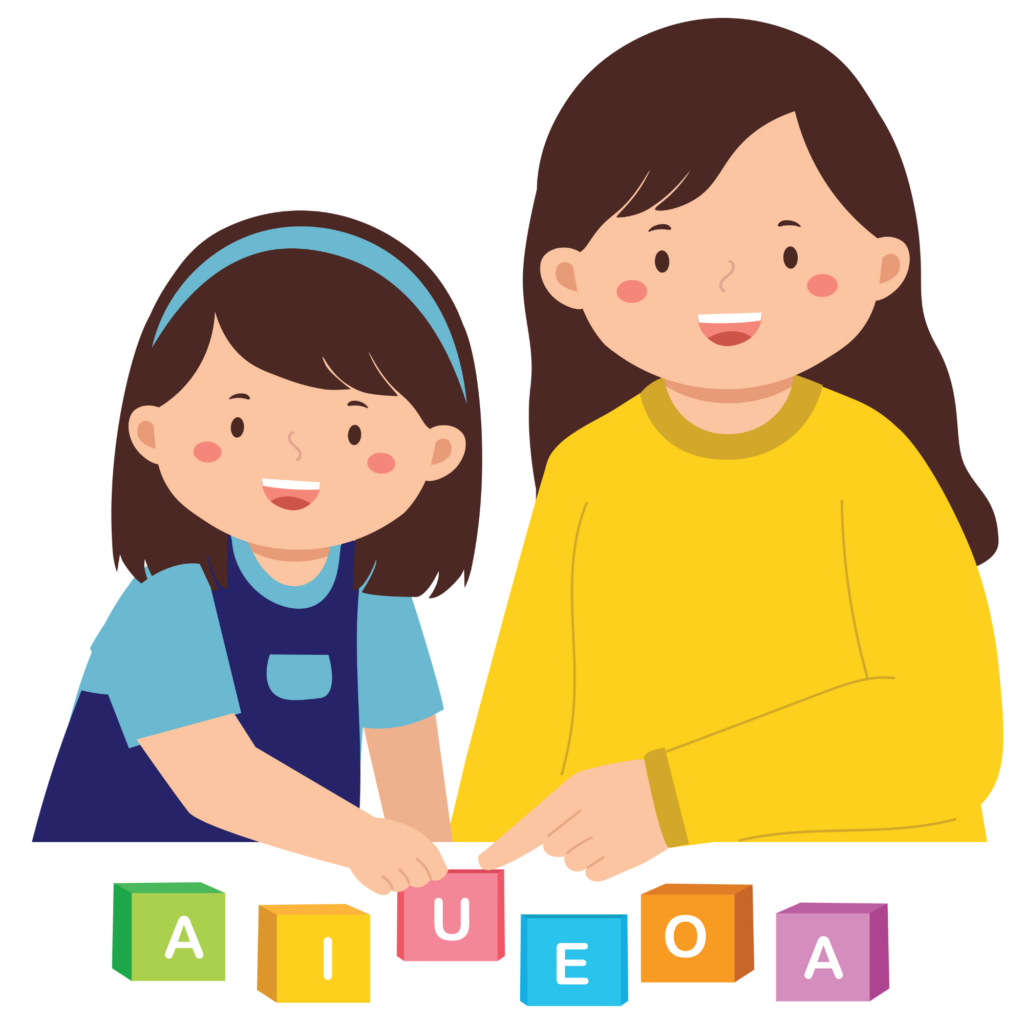
About one year later, we will set up two appointments at your home. A researcher will visit you and your child, and do different tasks with your child. The tasks test language skills and information processing. Each session takes approximately 1 hour and 30 minutes.
After the second appointment, your child will receive a diploma and a small present.
Part 2b: a questionnaire for parents
Around the time the researcher will come by to do tasks with your child, we will ask you to fill in another online questionnaire. This questionnaire is part of the questionnaire you filled out for part 1 of the study. This should take approximately 20 to 30 minutes.
You will be compensated with a 10 euro gift voucher for completing this questionnaire as well.
Participate in our study1
Do you have a child between 2 years 10 months and 3 years 10 months? Then you can participate immediately by clicking this link and selecting “Go to the questionnaire now”.
Is your child not quite old enough? Or do you want to participate, but you don’t have enough time right now? Then sign up by clicking the button below and selecting “Sign up and fill in the questionnaire at a later date”. We will get in touch and invite you to complete the questionnaire.
Do you know (other) parents of children in this age range? Please share our flyer!
Questions?
If you have questions or remarks about this study, please send an e-mail to kvm@uu.nl. If you include “Young children” in the subject line, your message will reach the right researcher more quickly. Alternatively, go to our contact form. Or use our contact form.

Dit project wordt gefinancierd door de Nederlandse Organisatie voor Wetenschappelijk Onderzoek (NWO), subsidienummer VI.C.241.017, toegekend aan Elena Tribushinina.

